

Ohio currently supports more than 1,900 public EV charging stations, providing a growing network for drivers transitioning away from internal combustion engines. For many residents in Wooster, the shift to electric power involves learning the distinct "refueling" behaviors required to maintain a high-voltage battery system. Unlike a traditional gas station visit that takes five minutes, EV charging is often integrated into the time a vehicle spends parked at home or work. Our team focuses on helping owners understand the maintenance requirements of these systems, ensuring the charging port and onboard power electronics remain in peak condition for years of reliable service.
Most new owners begin with Level 1 charging, which utilizes a standard 120-volt outlet. While convenient, this method is the slowest, adding roughly 3 to 5 miles of range per hour of connectivity. It often takes between 24 to 48 hours to reach a full charge from an empty state, making it more of a "trickle" solution for those with very short daily commutes. For a more robust ownership experience, we generally recommend upgrading to a dedicated charging setup that matches the vehicle’s intake capacity. If you have questions about your specific model’s charging hardware, you can reach out to our service experts at (330) 439-4949 for technical guidance.
Maintaining the physical integrity of your charging equipment is just as vital as the software updates that manage the battery. Dust, road salt, and moisture can impact the connection points over time, leading to slower charging speeds or heat buildup. When you visit our service center in Wooster, our certified technicians can inspect the charging port for debris or corrosion, ensuring the high-voltage pins maintain a secure, efficient contact every time you plug in.
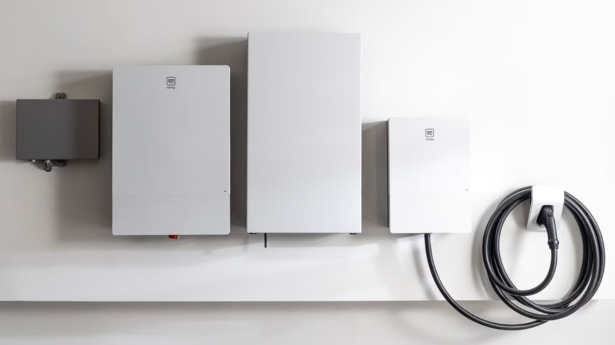
Understanding Level 2 and DC Fast Charging Infrastructure
The primary difference between Level 2 and DC fast charging lies in where the electricity is converted from alternating current (AC) to direct current (DC). Level 2 stations, which operate on a 240-volt circuit, send AC power to the vehicle’s onboard charger, which then converts it for the battery. This setup typically adds about 20 to 30 miles of range per hour, allowing most vehicles to reach a full charge in roughly 4 to 10 hours. Because this process generates less heat than high-speed alternatives, Level 2 is often considered the "gold standard" for long-term battery health and daily maintenance.
In contrast, DC fast-charging stations bypass the onboard charger and feed high-voltage DC power directly into the battery. These units operate at 400 to 1000V and can often replenish a battery to an 80% charge in as little as 15 to 60 minutes. While this is essential for long-distance travel, frequent use of high-speed chargers can increase the thermal load on the battery cells. We often suggest that owners prioritize Level 2 charging for their routine needs and reserve fast charging for road trips to preserve the longevity of the battery’s chemical components.
Reliability is a key factor when using public infrastructure. Some industry studies have noted that nearly 23% of public fast chargers may be nonfunctional at any given time due to broken connectors or payment system failures. Keeping your vehicle’s charging adapters and cables in good repair is essential for avoiding these headaches on the road. If you need a replacement cable or a specific SAE J1772 or NACS adapter, you can order genuine components through our parts department to ensure full compatibility with your vehicle’s safety systems.
Essential Tools and Apps for Navigating Public Charging
Have you ever wondered how to verify if a charging station is actually working before you drive across town? Relying solely on the vehicle’s built-in navigation is a start, but experienced EV drivers often use crowdsourced apps to get real-time status updates. PlugShare is a staple for local owners, as it allows users to report broken chargers or blocked stalls, providing a level of accuracy that static maps cannot match. This is particularly helpful in more rural stretches near Honeytown, where charging options are spaced further apart and a broken station could significantly impact your travel plans.
ChargePoint and the Electrify America app are also essential for managing payments and monitoring your charging session remotely. These tools provide data on the current kilowatt-hour (kWh) delivery rate, allowing you to see if the station is providing the full speed your vehicle is capable of accepting. If you notice a consistent drop in charging performance across multiple different stations, it may indicate a need for a diagnostic check of the vehicle’s thermal management system or the charging port itself.
Using these apps effectively also means understanding the different connector types found throughout Ohio. While the SAE J1772 is the standard for Level 2, fast charging typically uses CCS or NACS plugs. Some newer public sites are equipped with "Magic Dock" adapters to accommodate multiple standards. Staying informed through these digital tools ensures that when you head out for a day of local activities, you spend more time driving and less time troubleshooting a plug that doesn't fit.
Winter Performance and the Role of Battery Preconditioning
Ohio winters present a unique challenge for electric vehicle batteries, as cold temperatures slow down the chemical reactions required to store and release energy. When temperatures drop, you may notice a temporary reduction in available range and slower charging speeds. To combat this, modern EVs utilize sophisticated thermal management systems. Battery preconditioning is a feature that uses the vehicle’s heater to bring the battery to an optimal temperature while the car is still plugged in. This ensures the battery is ready to accept a high rate of charge immediately and improves overall efficiency during the first several miles of your drive.
We often tell owners that the best way to maintain range in the winter is to time their charging so it finishes right before they plan to depart. This keeps the battery warm from the charging process itself. Furthermore, using the heated seats and steering wheel rather than the cabin's forced-air heater can significantly preserve the battery's state of charge. Cold weather also affects tire pressure more drastically in EVs due to their increased weight; maintaining the correct PSI is critical for minimizing rolling resistance and maximizing your winter range.
Our service team stays busy during the colder months checking the specialized coolant used in EV thermal circuits. This fluid is responsible for both heating the battery in the winter and cooling it during fast-charging sessions in the summer. Unlike standard engine coolant, these high-voltage systems often require specific low-conductivity fluids to maintain safety and performance. Ensuring these levels are correct is a vital part of your seasonal maintenance routine to prevent the battery from working harder than necessary in extreme temperatures.
Professional Installation and Maintenance of Home Charging Systems
When a family in Smithville decides to install a Level 2 charger, the first step is often a consultation with a licensed electrician to evaluate the home’s electrical panel. Most Level 2 chargers require a dedicated 40 or 50 amp circuit to operate safely. In older homes, this may necessitate a panel upgrade to handle the increased load. Professional installation is not just about convenience; it ensures the wiring meets local building codes and that the circuit breaker is properly sized to prevent overheating during the long hours of an overnight charging session.
The financial aspect of home installation is often supported by various incentives. While there isn't a current statewide tax credit in Ohio, many residents take advantage of the 30% federal tax credit, which can cover equipment and installation costs up to $1,000. Additionally, several local electric cooperatives offer rebates ranging from $200 to $1,000 for Level 2 hardware. These programs make it much more affordable to move away from the limitations of Level 1 charging and enjoy the convenience of a full battery every morning.
Once installed, your home charging station requires very little maintenance, but the vehicle side of the equation still needs regular attention. We recommend that owners do not charge to 100% charge every night unless they plan on a long trip the next day. Keeping the battery between 20% and 80% for daily use is a proven method for extending the life of the lithium-ion cells. If you notice any discoloration on your home charging plug or if the cable feels excessively hot to the touch, it is important to schedule a professional inspection immediately to check for loose connections or internal wear.
Quick Answers Before You Visit
Q: Should I be concerned about using DC fast chargers too often? While DC fast charging is incredibly convenient, using it as your primary charging method can lead to faster battery degradation over several years. The high-speed flow of electricity generates significant heat, which can stress the battery cells. We recommend using Level 2 charging for about 90% of your needs to maintain the best long-term battery health.
Q: Does my EV require traditional "tune-ups" like a gas car? Electric vehicles do not require oil changes, spark plug replacements, or timing belt service. However, they still need regular maintenance for items like cabin air filters, brake fluid flushes, and tire rotations. Because EVs are heavier and produce instant torque, they can wear through tires faster than gas vehicles, making regular alignment and pressure checks even more important.
Q: What happens if my EV runs out of power on the road? If your battery reaches a critical low, the vehicle will typically enter a "turtle mode" with reduced power to help you reach a safe stopping point. If you cannot make it to a charger, you should utilize Chevrolet Roadside Assistance: 800-243-8872. They can coordinate a tow to the nearest authorized charging station or service center using flatbed equipment designed to protect the electric motors.
Q: Are public charging costs in Ohio fixed or do they change? Public charging costs can vary based on the network and the time of day. On average, public charging in Ohio costs around $0.39 per kWh, which is higher than the typical home rate of $0.18 per kWh. Some networks also charge "idle fees" if you leave your vehicle plugged in after the charging session has finished, so it is best to move your car once you have reached your desired charge level.
Q: Can I use a Tesla Supercharger with my Chevrolet EV? Many non-Tesla vehicles can now access the Supercharger network using a NACS adapter. This significantly expands your charging options across Ohio. However, you will need to check the specific charging app to see if the station is open to non-Tesla vehicles and ensure you have the correct, manufacturer-approved adapter for a safe connection.
Optimizing Your EV Maintenance Schedule at Chevrolet Of Wooster
Maintaining an electric vehicle is a different experience than caring for a traditional car, focusing more on high-tech cooling systems and heavy-duty suspension components. Our certified technicians have the specialized tools and training required to work on high-voltage batteries and electric drive units safely. By following the factory-recommended maintenance intervals, you can ensure that your vehicle’s range and performance remain consistent for the life of the battery.
Whether you need a software update to improve charging logic or a multi-point inspection of your thermal management system, our team is here to help. You can easily find our location on West Old Lincoln Way for all your service needs. For quick questions about maintenance intervals or to speak with a service advisor, feel free to give us a quick call today. We look forward to being your partner in the exciting world of electric driving.
*Prices and MSRP referenced in this article are estimates for informational purposes only and do not constitute an offer to sell. See dealer for complete details. *Fuel economy estimates shown may differ from official EPA ratings and should not be relied upon as a guarantee of actual vehicle performance.