

Ohio humidity often peaks just as road trip season begins, placing unique stress on every mechanical system in your vehicle. After a long winter of salt exposure and sub-freezing temperatures, the transition to high-heat conditions can cause rubber components to become brittle and fluids to degrade faster than usual. Our team focuses on clearing away the corrosive remnants of winter to ensure your vehicle is ready for the high-speed highway travel typical of the warmer months. For families in Wooster, this seasonal shift is the ideal time to verify that safety systems and cooling components are performing to factory standards before the temperature climbs.
A thorough cleaning of the undercarriage is the first step in summer readiness. Residual road salt can trap moisture against brake lines and suspension components, accelerating rust even when the sun is out. Once the exterior is clear, we recommend a deep dive into the engine bay to inspect belts and hoses for cracks or soft spots. The 2026 Chevrolet Equinox is a popular choice for local commuters, and its 1.5L I4 engine relies on a network of pressurized hoses that must remain flexible to handle the increased thermal load of summer traffic.
If you are noticing a slight vibration or an unusual smell when the defroster is running, it may be time for a professional eyes-on inspection. You can find our service center easily to get a head start on these checks. If you have questions about specific maintenance intervals for your model, feel free to give us a quick call to speak with a service advisor.
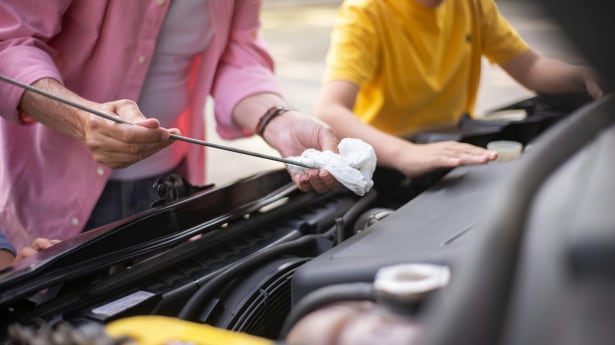
Essential Cooling System Maintenance and Coolant Flush Intervals
Engines generate immense internal heat, but external temperatures above 90 degrees push cooling systems to their limits. The primary job of your engine coolant is to absorb this heat and dissipate it through the radiator, a process that becomes less efficient as the fluid ages and its chemical properties break down. Most manufacturers recommend a full cooling system flush every 5 years / 100,000 miles, though we often suggest checking the pH levels and clarity of the fluid more frequently if you frequently tow or drive in stop-and-go traffic.
Low coolant levels are a leading cause of roadside breakdowns during the summer. When the reservoir dips below the "full" mark, air pockets can form, leading to localized overheating that can warp engine components. For drivers using a 2026 Chevrolet Silverado 1500 with the TurboMax engine, maintaining the integrity of the cooling system is vital for preserving the 430 lb-ft of torque available for heavy tasks. Our technicians look for signs of electrolysis or debris in the radiator that could indicate a need for a premature flush.
Maintaining this system involves more than just topping off the plastic jug under the hood. We check the radiator cap seal and the thermostat operation to ensure the system stays pressurized. If you prefer to handle minor top-offs yourself, you can order genuine OEM fluids directly through our department to ensure compatibility with your specific engine. For a more comprehensive look at your cooling health, you can book a maintenance visit online to have our certified experts pressure-test the entire loop.
Managing Tire Pressure and Safety During High Temperature Fluctuations
Tire pressure is never static; it fluctuates roughly 1 psi for every 10-degree shift in outside air temperature. In the rural stretches around Honeytown, where drivers often move between paved highways and gravel back roads, having the correct inflation is the difference between a smooth ride and a potential blowout. As the asphalt heats up, the air inside your tires expands. If you started the morning with tires already at the maximum limit, midday heat can push them into an overinflated state, which reduces the contact patch with the road and leads to uneven wear in the center of the tread.
Overinflation makes the tire stiffer, which might seem like it would improve fuel economy, but it actually makes the tire more susceptible to damage from potholes or debris. Conversely, underinflation causes the sidewalls to flex excessively, generating even more internal heat that can lead to catastrophic tread separation. We recommend checking your pressure when the tires are cold—meaning the vehicle has been parked for at least three hours—to get an accurate reading that matches the figures on your driver-side doorjamb.
Tread depth is equally important during the sudden downpours common in an Ohio summer. Tires are considered unsafe when the tread wears down to 2/32 of an inch. You can perform a quick check using a penny; if you can see the top of Lincoln's head when the coin is inserted into the groove, the tire can no longer effectively channel water away, increasing the risk of hydroplaning. For a vehicle like the 2026 Chevrolet Traverse, which can carry up to 8 passengers, ensuring that all four tires are balanced and aligned is a critical safety step for summer travel.
Maximizing Air Conditioning Performance and Cabin Air Quality
A cabin air filter does more than just keep the air smelling fresh during a humid afternoon; it protects the entire HVAC system from debris and allergens. When this filter becomes clogged, your air conditioning compressor has to work significantly harder to pull air through the restricted pleats, which can lead to premature wear on the blower motor and reduced fuel efficiency. We typically find that filters need replacement every 12,000 to 15,000 miles, though dusty rural driving can shorten that lifespan.
If your air conditioning is taking longer than usual to reach a comfortable temperature, it may be a sign of a slow refrigerant leak or a failing condenser. Modern AC systems are highly tuned and require a specific "charge" of refrigerant to operate. Even a small loss of pressure can cause the system to blow lukewarm air. Our technicians use specialized gauges to check these pressures and can identify leaks using UV dye before they turn into expensive compressor failures.
Beyond the mechanical components, the evaporator core can sometimes harbor mold or mildew in high-humidity environments, leading to a musty odor. We offer specialized cleaning services that disinfect the air ducts and the evaporator to ensure the air entering the cabin is clean. This is particularly important for those with respiratory sensitivities, as the cabin filter is the primary line of defense against pollen and road dust during the peak of the Ohio summer.
Protecting Battery Life and Engine Fluids from Thermal Stress
Most drivers associate battery failure with the dead of winter, yet summer heat is frequently the true culprit behind a shortened lifespan. High under-hood temperatures accelerate the internal chemical reactions within the battery, leading to faster corrosion of the plates and the evaporation of the liquid electrolyte. If your battery is more than three years old, a heatwave can be the final stressor that prevents it from holding a charge.
Engine oil also faces increased demands when the thermometer climbs. Heat thins the oil, and while modern synthetic blends are designed to maintain their viscosity, extreme temperatures can still lead to faster oil consumption. We recommend checking all fluid levels—including brake fluid and transmission fluid—before heading out on a long trip. Brake fluid is hygroscopic, meaning it absorbs moisture from the air. In high-humidity environments, this moisture can lower the boiling point of the fluid, leading to a "spongy" brake pedal feel during heavy braking on hilly terrain.
For those driving a 2026 Chevrolet Silverado 1500, keeping an eye on the transmission fluid is particularly important if you are utilizing the TurboMax engine's towing capacity. Heavy loads generate extra heat in the gearbox, and fresh fluid is essential for protecting the internal clutches and gears. A quick visual check of the fluid color can tell you a lot; it should be translucent and reddish, not dark or smelling of burnt toast.
Answers to Common Summer Maintenance Questions
Q: How frequently should I be checking my engine coolant level during the summer? We recommend checking the coolant reservoir at least once a month and always before a trip that involves several hours of highway driving. Ensure the engine is completely cool before opening the reservoir cap to avoid steam burns, and verify that the level sits between the minimum and maximum markers.
Q: What are the primary risks of driving on overinflated tires in high heat? Overinflation reduces the amount of rubber touching the road, which can compromise your braking distance and handling. Additionally, the increased internal pressure makes the tire less flexible, meaning it is more likely to suffer a puncture or structural failure if you hit a sharp rock or a deep pothole at high speeds.
Q: What does a professional multi-point inspection include that I can't do at home? While a home check covers the basics, our professional inspection uses specialized tools to measure brake pad thickness to the millimeter and test the battery's "cold cranking amps" and reserve capacity. We also put the vehicle on a lift to inspect the underbody for leaks, torn CV boots, and exhaust system integrity that isn't visible from the driveway.
Q: Is it possible to test my own battery strength without professional equipment? You can get a basic idea of battery health using a multimeter; a healthy battery should show about 12.6 volts when the engine is off. However, a voltage test doesn't measure the battery's ability to handle a load, which is why a professional "load test" is the only way to be certain it won't fail you on a hot afternoon.
Q: Why is my air conditioning blowing cold air sometimes but warm air at stoplights? This often indicates an issue with the cooling fan or a slightly low refrigerant charge. When the vehicle is moving, airflow through the condenser helps cool the refrigerant, but at a stop, the system relies entirely on the fan. If the fan is weak or the refrigerant is low, the system can't dissipate heat effectively while idling.
Professional Multi-Point Inspections for Reliable Summer Travel
While a visual check in the driveway is a great start, certain components require specialized tools to measure accurately. A professional multi-point inspection provides a comprehensive overview of your vehicle’s health, from the suspension bushings to the complex electronic modules that manage your engine's timing. Our certified technicians follow a rigorous process to identify "hidden" issues like a leaking water pump or a frayed serpentine belt that could leave you stranded.
By catching these small concerns early, we help you avoid the inconvenience and higher costs of emergency repairs. Whether you are prepping for a cross-country vacation or just want peace of mind for your daily commute, a seasonal check-up is the best way to ensure your vehicle remains reliable. You can find our Wooster location on Old Lincoln Way for all your maintenance needs. To find a time that fits your schedule, feel free to contact our service desk at (330) 439-4949 and we will get your vehicle ready for the road ahead.
*Prices and MSRP referenced in this article are estimates for informational purposes only and do not constitute an offer to sell. See dealer for complete details. Fuel economy estimates shown may differ from official EPA ratings and should not be relied upon as a guarantee of actual vehicle performance.