

The shift toward electric mobility is no longer a distant concept for north-central Ohio. As more neighbors install charging stations in their garages and public infrastructure expands, the conversation has moved from "if" to "when." The 2026 Chevrolet Blazer EV has become a focal point of this transition, offering a midsize SUV footprint that fits the practical needs of local families and commuters alike. Whether you are navigating the agricultural landscape around Honeytown or heading into the city for work, the choice between traditional internal combustion and battery power involves more than just a preference for technology; it is about how a vehicle handles the specific demands of our region.
Our team often sees shoppers weigh the higher initial cost of an EV against the long-term reduction in fuel and maintenance expenses. The 2026 Chevrolet Blazer EV carries an MSRP range of $49,752–$64,903, which is a significant step up from the gas-powered version. However, when you factor in the efficiency of an electric drivetrain and the standard inclusion of 4WD across the lineup, the value proposition begins to shift. For those ready to see how these numbers translate to the road, we invite you to stop by our showroom on West Old Lincoln Way to compare these models side-by-side.
Deciding to go electric is a big step, and we want to ensure you have the right information before you commit. If you have specific questions about local charging availability or want to hear how other owners in the area are liking their vehicles, give us a quick call to speak with one of our specialists. We focus on providing a transparent look at the ownership experience so you can decide if the Blazer EV aligns with your daily routine and budget.
Is the Blazer EV the Same as the Gas Blazer?
It is a common misconception that the electric Blazer is simply a gas model with the engine swapped for a battery. In reality, these are two entirely different machines built on unique architectures. The gas-powered Blazer relies on a traditional unibody frame designed for internal combustion, while the 2026 Chevrolet Blazer EV is built on the Ultium platform. This dedicated EV architecture allows for a longer wheelbase and a flat interior floor, which maximizes passenger room and provides a lower center of gravity for better handling on winding rural roads.
Engine & Performance
| Feature | Standard across all trims |
|---|---|
| Transmission | Automatic |
| Drivetrain | 4WD |
Fuel Economy
EPA-estimated fuel economy ratings
| Feature | LT | RS | Fleet | SS |
|---|---|---|---|---|
| City MPG | 103 mpg | 103 mpg | 92 mpg | 92 mpg |
| Highway MPG | 88 mpg | 88 mpg | 77 mpg | 77 mpg |
| Combined MPG | 96 mpg | 96 mpg | 85 mpg | 85 mpg |
Standard across all trims: Fuel Type Electric
Best combined fuel economy: LT at 96 mpg
The performance profiles also differ significantly. While the gas Blazer offers a familiar driving feel with its V6 or turbocharged four-cylinder options, the Blazer EV provides the instant torque characteristic of electric motors. Every trim in the 2026 lineup, from the LT to the high-performance SS, comes standard with a 4WD configuration and an Automatic transmission. For drivers who prioritize raw power, the SS trim stands out by delivering up to 615 hp in its specialized performance mode, allowing it to reach 60 mph in about 3.4 seconds.
If you find that the cutting-edge tech of a new EV isn't the right fit for your current needs, we also maintain a diverse selection of traditional SUVs. You can browse our used inventory to find reliable gas-powered Blazers and other midsize crossovers that offer a more conventional ownership experience. Regardless of which powertrain you choose, both versions of the Blazer offer the Chevy Safety Assist suite as standard equipment, including Automatic Emergency Braking and Lane Keep Assist with Lane Departure Warning.
Range and Battery Performance for North-Central Ohio Winters
How far can you actually go on a single charge when the temperature drops? This is the most frequent concern we hear from drivers in our area. The 2026 Chevrolet Blazer EV is EPA-rated at about 283 miles on a full battery for the LT and RS all-wheel-drive configurations. For those who opt for the rear-wheel-drive variants of the RS, that range can extend up to an EPA-estimated 324 miles. These figures provide plenty of breathing room for a typical commute from Smithville, where the gently rolling farmland and open spaces mean longer stretches between stops.
However, local weather plays a major role in real-world performance. Because we live in a cold-winter climate and a designated salt-belt region, the battery has to work harder to maintain optimal temperatures and keep the cabin warm. Locally, expect somewhere between 15% and 30% range loss on the coldest days of the year. To mitigate this, the Blazer EV features a thermal management system that can precondition the battery while the vehicle is still plugged in, ensuring you start your trip with maximum efficiency.
Maintaining an EV in our environment also means keeping an eye on the undercarriage due to heavy road-salt use. While there are fewer moving parts to worry about, you still need to ensure that sensors and cooling components remain clear of debris. If you ever need specialized cleaning supplies or seasonal equipment like all-weather floor liners to protect your interior from Ohio slush, you can submit a request for parts through our website. We also recommend snow-rated tires for winter driving, as the instant torque of an EV requires extra grip on icy patches.
Charging Logistics: Level 2 Home Setups and DC Fast Charging
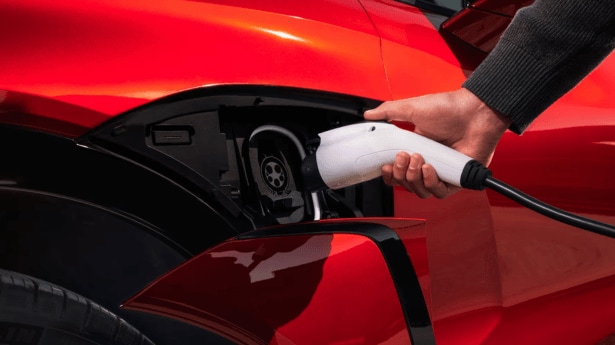
The most efficient way to "fuel" a Blazer EV is while you sleep. Most of our owners choose to install a 240V Level 2 charger in their garage, which is similar to the outlet used for a large clothes dryer. The manufacturer says a full Level 2 charge takes about 9.5 hours using an 11.5 kW setup. This allows you to plug in at night and wake up to a full "tank" every morning, completely bypassing the gas station for your daily driving needs. For those looking to upgrade their home setup, we offer the GM PowerUp Level 2 Charger as a dealer-installed option for $899.
When you are away from home, the Blazer EV is equipped for DC fast charging. On a compatible public fast charger, the vehicle can pull up to about 190 kW of peak power. This translates to adding roughly 78 miles of range in about 10 minutes. This capability is essential for longer trips beyond the Wooster area, allowing for quick top-ups at highway rest stops or shopping centers. The Powershift Charger is another dealer-supplied option available across all trims, including the Fleet and SS, for contact us for pricing to help manage various charging needs.
To keep your charging system and battery health in top condition, regular software updates and cooling system checks are necessary. While you won't need oil changes, our technicians are trained to handle the high-voltage diagnostics required for modern EVs. When it is time for your multi-point inspection or tire rotation, you can easily schedule your service appointment online. Staying proactive with these visits ensures that your Ultium battery continues to deliver the range and reliability you expect over the life of the vehicle.
Federal Tax Credits and Long-Term Ownership Value
The financial math of owning a Blazer EV often hinges on available incentives. As of 2024, the 2026 Chevrolet Blazer EV may be eligible for a federal clean vehicle tax credit of up to $7,500. It is important to remember that tax credit eligibility depends on your individual income, the vehicle's MSRP at the time of purchase, and specific battery sourcing requirements. We always recommend confirming your status with a tax professional, but our team can help you understand how this credit can be applied at the point of sale to lower your initial investment.
When looking at the long-term value, the Blazer EV stands out with lower running costs. Electricity in our region is generally much cheaper than gasoline on a per-mile basis. Furthermore, the simplified mechanical nature of an EV means you avoid many of the expensive repairs associated with aging internal combustion engines, such as exhaust system failures or transmission overhauls. The 2026 Chevrolet Blazer EV is backed by a 3-year/36,000-mile basic warranty and a 5-year/60,000-mile powertrain warranty, with additional coverage typically provided for the battery components.
If you are considering trading in your current gas-powered SUV to make the switch, we can help you determine the equity you have available. You can use our online tool to value your trade-in and see how that amount fits into your down payment strategy. Once you have a better idea of your budget, you can move forward by prequalifying for financing through our secure portal. Even with the SS trim starting at $64,903, the combination of tax credits and lower fuel spend can make the Blazer EV a competitive financial choice over a five-year ownership period.
Choosing Your Configuration: Who Should Stick With Gas vs. Electric?
While the Blazer EV offers impressive technology and efficiency, it isn't the universal solution for every driver. Choosing between the two often comes down to your specific lifestyle and access to infrastructure. The electric model is an ideal fit for the commuter who has a dedicated parking spot with power access. If your daily route involves stop-and-go traffic or a consistent 40-mile round trip, the LT trim with its 103 city / 88 hwy efficiency rating will provide substantial savings over time.
On the other hand, the gas-powered SUV remains the stronger choice for those who frequently travel into remote areas where charging stations are scarce. If you often find yourself towing heavy loads near the limits of a midsize SUV or if you lack the ability to install a Level 2 charger at home, the convenience of a five-minute gasoline fill-up is hard to beat. The gas Blazer also carries a lower entry price for shoppers who want the styling and utility of the Blazer nameplate without the premium associated with battery technology.
For the performance enthusiast, the choice is clear. The SS trim of the Blazer EV, with its 92 city / 77 hwy rating and massive horsepower, offers a level of acceleration that the gas-powered variants simply cannot match. Ultimately, we recommend test-driving both. Feel the instant response of the electric motors and compare it to the familiar cadence of a traditional engine to see which one better suits your driving style and the terrain of north-central Ohio.
Quick Answers Before You Visit
Q: Does the 2026 Chevrolet Blazer EV include a home charger? The Blazer EV comes with a dual-level charging cord capable of 120V and 240V charging. However, for the fastest home speeds, many owners opt for dealer-installed units like the GM PowerUp Level 2 Charger. We can help you coordinate the installation of a 240V circuit in your garage through local professionals.
Q: How does the Blazer EV handle deep snow? With standard 4WD and a heavy battery pack located low in the frame, the Blazer EV offers excellent traction and stability. The low center of gravity helps keep the vehicle planted, though we still recommend snow-rated tires for the best performance during our local winters.
Q: Can I use a Tesla Supercharger with the Blazer EV? Yes, newer Chevrolet EVs are gaining access to the Tesla Supercharger network via an adapter. This significantly expands your options for long-distance travel, though charging speeds will still be limited by the vehicle's maximum intake of 190 kW.
Q: What happens if I run out of battery on the road? Chevrolet provides roadside assistance as part of your warranty coverage. If you run out of power, you can contact Chevrolet Roadside Assistance: 1-800-243-8872 to have your vehicle towed to the nearest authorized charging station or dealership.
Q: Is the interior space different from the gas Blazer? Yes, the Blazer EV actually offers a more spacious-feeling cabin. Because there is no transmission tunnel running through the center, the floor is flat, providing more legroom for rear-seat passengers and more flexibility for stowing gear.
If you are ready to see these features in person, you can browse our new inventory to see which trims we currently have on the lot. We invite you to visit our dealership on West Old Lincoln Way for a full walk-around. Our team is here to help you navigate the transition to electric driving, so please call us at (330) 439-4949 with any questions or to schedule your test drive today.
*Prices and MSRP referenced in this article are estimates for informational purposes only and do not constitute an offer to sell. See dealer for complete details. Fuel economy estimates shown may differ from official EPA ratings and should not be relied upon as a guarantee of actual vehicle performance.