

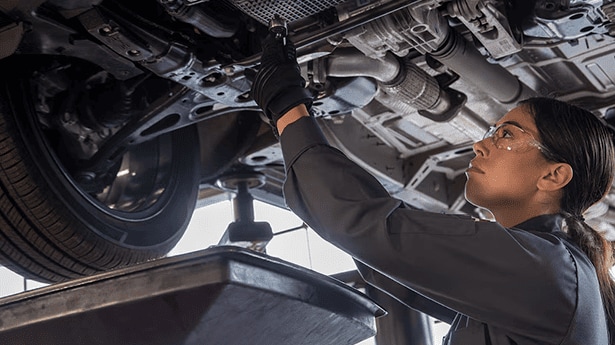
Preparing a 2027 Chevrolet braking system for winter requires inspecting friction pad thickness, verifying rotor condition, testing hydraulic fluid for moisture contamination, and checking electronic wear sensors before freezing weather arrives. Technicians ensure pads have at least 3 mm of remaining material, clean away road corrosion from caliper slides, and flush aged brake fluid to prevent hydraulic ice formation, maintaining stopping control on snow and slick asphalt.
Winter weather severely reduces tire traction, which makes balanced, responsive braking performance essential for safety. When friction pads thin out or hydraulic pressure degrades, stopping distances lengthen dramatically on icy roads. A comprehensive pre-winter evaluation focuses on several key areas of the braking assembly:
- Friction Pad Depth: Measuring inner and outer pad lining thickness using precision calipers to verify adequate friction material remains.
- Rotor Surface Integrity: Checking brake discs for thermal scoring, severe rust scales, or lateral runout that causes pedal vibration.
- Hydraulic Line & Fluid Testing: Inspecting rubber hoses for weather cracking and testing brake fluid for moisture absorption that lowers boiling points and freezes in sub-zero temperatures.
- Caliper & Hardware Lubrication: Cleaning stainless steel slider pins and guide plates to prevent pad binding in heavy road salt environments.
Driving across northeastern Ohio during freezing weather places extreme stress on mechanical components. For drivers navigating stop-and-go morning traffic near Wooster, ensuring your brake pads and hydraulic lines are fully serviced prevents unexpected mechanical failure on slippery roads. You can visit our service center location or give our service desk (330) 439-4949 a quick call to check your vehicle's maintenance history before snow falls.
What Are the Main Signs Your Chevrolet Needs New Brake Pads Before Winter?
The main signs that a Chevrolet needs new brake pads before winter include high-pitched metallic squealing, harsh grinding sounds, a soft or spongy brake pedal, steering wheel pulsation, and longer stopping distances. Identifying these symptoms early allows owners to replace worn components before severe cold and road salt exacerbate mechanical wear or damage expensive brake rotors.
A high-pitched squeal when depressing the brake pedal is typically caused by a built-in acoustic wear indicator tab. This small spring-steel tab attached to the pad backing plate contacts the spinning rotor surface once friction material wears down to critical levels. If ignored, squealing progresses into a harsh, deep metallic grinding sound, which signals that the friction lining is entirely gone and the steel backing plate is scraping directly against the rotor face.
Changes in brake pedal feel also provide critical warning insights. A pedal that feels unusually soft, mushy, or travels closer to the floorboard before engaging often points to uneven pad wear, overheated friction compound, or air trapped within hydraulic lines. Conversely, a rhythmic pulsation in the pedal or a subtle vibration through the steering wheel during slowdowns usually indicates uneven pad material transfer or warped brake rotors.
Vehicle weight and usage play a significant role in pad longevity. A family SUV like the 2027 Chevrolet Traverse, equipped with a 2.5L engine and all-wheel drive, carries a heavier curb weight that naturally places greater mechanical load on brake friction material during sudden stops than a compact crossover like the 2027 Chevrolet Equinox. Drivers heading out along open agricultural stretches near Honeytown encounter drifting snow and unexpected ice patches where prompt, linear stopping power is critical. Recognizing these physical warning signs early ensures your vehicle remains reliable on unplowed rural lanes.
Why Do Brake Pads Wear Down Faster and How Does Cold Weather Impact Stopping Power?
Brake pads wear down faster in winter because road salt, chemical de-icers, slush, and grit act as severe mechanical abrasives while extreme cold cycles degrade rubber seals and hardware flexibility. Furthermore, icy winter roads reduce tire traction, forcing driver-assist systems like anti-lock brakes and electronic stability control to apply rapid, repeated braking pulses that accelerate pad friction surface depletion.
Sub-freezing temperatures directly impact how friction materials perform against steel rotors. When temperatures plunge, cold brake pads require slightly more initial clamp pressure to build the thermal friction necessary for optimal stopping power. Once activated, the intense thermal contrast between frozen ambient air and heated friction surfaces can cause micro-cracking across rotor surfaces over time.
Winter driving hazards create multiple wear factors that affect brake component life:
- Road Salt & Chemical De-Icers: De-icing compounds coat brake components, attracting moisture and causing heavy surface rust on steel backing plates, which can cause friction material to delaminate.
- Abrasive Slush Accumulation: Road grit and fine gravel trapped between pads and rotor faces carve grooves into the disc, reducing effective surface contact area.
- Seized Caliper Slider Pins: Frozen moisture and corroded hardware prevent calipers from floating smoothly, causing constant, uneven friction pad drag against the rotor even when your foot is off the pedal.
- Frequent ABS Activation: Anti-lock braking systems fire hydraulic valves dozens of times per second on ice, placing high-frequency mechanical stress on friction pads.
Commuters and truck owners coming in before winter frequently ask our technicians whether squeaking in sub-zero mornings is just frost or a worn indicator tab. Our team shows them how to visually inspect pad lining through the wheel spokes during a multi-point check to verify real pad thickness before cold weather sets in.
What Dashboard Warning Light and Electronic Wear Indicators Signal Brake Pad Replacement?
The dashboard light that indicates required brake pad replacement is a yellow or amber warning icon featuring a circle surrounded by dotted arcs, or an explicit text message on the Driver Information Center. Modern Chevrolet models utilize electronic brake pad wear indicators that continuously monitor friction lining thickness and signal the vehicle computer when replacement is necessary.
Electronic wear indicators use a specialized sensor pin embedded directly into the friction pad material at a precise depth. As the pad wears down through normal use, the rotor face eventually makes contact with the embedded sensor, cutting or grounding a tiny internal wire loop. This breaks an electrical circuit monitored by the body control module, immediately illuminating the dashboard warning light and saving a diagnostic trouble code.
It is important to distinguish the brake wear light from the primary red brake warning light. While the amber wear icon specifically targets friction pad depletion, a solid red warning light indicates either an engaged parking brake, dangerously low hydraulic brake fluid, or a major loss of hydraulic line pressure. If the amber wear indicator activates, owners should arrange for pad replacement promptly before the sensor harness or brake rotors suffer permanent damage. When replacing electronic sensors alongside new friction sets, choosing genuine GM replacement parts ensures full electrical compatibility with factory warning systems.
How Often Should Brake Fluid Be Flushed and What Happens When Moisture Freezes?
Brake fluid in a Chevrolet should be flushed every 2 to 3 years or every 30,000 to 45,000 miles under normal operating conditions to maintain hydraulic pressure integrity. Because glycol-based brake fluid is inherently hygroscopic, it actively absorbs atmospheric moisture over time through tiny pores in rubber hoses, reservoir vents, and caliper seals.
Accumulated moisture creates severe performance risks during freezing winter conditions. Water has a much lower boiling point than fresh brake fluid and freezes at 32°F. When water-contaminated brake fluid is exposed to sub-zero temperatures, micro ice crystals can form inside narrow hydraulic lines and ABS valve bodies, restricting fluid flow and creating a mushy, unresponsive pedal feel.
| Fluid Condition | Water Content % | Boiling Point Range | Winter Risk Level |
|---|---|---|---|
| Fresh Fluid ( DOT 3 / DOT 4) | < 1% | 400°F - 500°F | Optimal Protection |
| Aged Fluid (2-3 Years) | 2% - 3% | 300°F - 350°F | Moderate Moisture Risk |
| Contaminated Fluid (4+ Years) | > 3.7% | Below 284°F | High / Ice Crystal Formation |
During repeated hard stops, localized friction heat turns trapped water into vapor pockets. Because steam compresses while liquid does not, vapor in hydraulic lines leads to sudden pedal fade where the brake pedal sinks to the floor without slowing the vehicle effectively. Flushing aged fluid before winter replaces moisture-laden fluid with clean, high-boiling-point fluid that will not freeze or fade when you need maximum stopping power.
What Are the Risks of Driving Worn Brake Pads on Icy Roads and Minimum Thickness Standards?
Driving with worn brake pads on icy roads severely increases stopping distances, triggers erratic anti-lock brake behavior, and risks complete friction lining detachment during emergency stops. On low-traction surfaces, effective braking relies on smooth, progressive clamping force to prevent wheels from locking up or causing the vehicle to slide out of control.
Brake pad thickness is measured in millimeters, and keeping track of remaining material is straightforward:
- 10 mm to 12 mm: Standard depth for brand-new replacement brake pads.
- 5 mm to 6 mm: Healthy operational range with ample friction material remaining for typical driving.
- 3 mm: Industry-standard threshold where replacement should be scheduled immediately.
- 2 mm or less: Critical safety hazard requiring immediate service; driving below this level risks severe rotor scoring, elevated heat transfer, and complete brake failure.
When brake pads wear below 3 mm, the remaining friction material loses its structural integrity and heat dissipation qualities. Thin pads transfer intense friction heat directly into the caliper pistons and hydraulic fluid, accelerating fluid degradation. Furthermore, unevenly worn pads apply asymmetric clamping force across the front axle, causing the vehicle to pull suddenly to one side when braking on slick roads. On a heavy vehicle like a 2027 Chevrolet Silverado 1500 hauling equipment, thin brake pads can cause rapid heat glaze, drastically reducing the friction necessary to stop safely on downhill winter grades.
Quick Answers to Common Chevrolet Pre-Winter Brake Questions
Q: What dashboard warning light indicates brake pad replacement is required?
An amber or yellow warning symbol showing a central circle surrounded by dotted arcs indicates that your brake pads are worn down and require replacement. Modern Chevrolet vehicles equipped with electronic wear sensors may also display a textual notification on the Driver Information Center screen such as "Change Brake Pads Soon." If you see a solid red light with an exclamation mark, that indicates low brake fluid or an active parking brake rather than pad wear.
Q: How thin can my Chevrolet brake pads get before they must be replaced?
Chevrolet service guidelines recommend scheduling pad replacement when friction lining wears down to 3 mm (approximately 1/8 inch). Pads that reach 2 mm or less present an immediate safety hazard and must be changed right away to prevent metal-to-metal contact that destroys brake rotors and compromises stopping performance.
Q: Why do my brakes make a squealing noise only on cold winter mornings?
A brief squeal on freezing mornings can occur when a light layer of surface frost or moisture forms on the steel rotors overnight. However, if the high-pitched squealing persists after several stops once the brakes warm up, it indicates that the mechanical wear indicator tab is touching the rotor and your friction pads require immediate inspection.
Q: Is it necessary to replace brake rotors every time I get new brake pads?
Rotors do not always require replacement during every pad service if they meet minimum factory thickness specifications and show no deep scoring, heat cracking, or warping. Technicians measure rotor thickness with a micrometer during inspection; if the rotor surface is clean and thick enough, it can often be resurfaced rather than replaced.
Q: Can cold weather cause my brake pedal to feel soft or spongy?
Cold weather itself does not make a brake pedal soft, but moisture trapped inside aged brake fluid can freeze into ice crystals or turn to vapor under heat, causing hydraulic pressure loss. A spongy pedal can also stem from air trapped in hydraulic lines or severely worn friction pads that force caliper pistons to extend beyond their normal travel limits.
*Prices and MSRP referenced in this article are estimates for informational purposes only and do not constitute an offer to sell. See dealer for complete details. *Fuel economy estimates shown may differ from official EPA ratings and should not be relied upon as a guarantee of actual vehicle performance.