

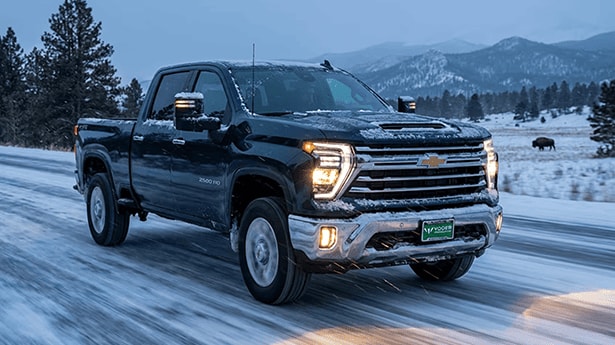
Prepare your tires for Ohio winter driving by verifying tread depth reaches at least 4/32 inch, setting cold inflation pressure to the driver-door placard specification, inspecting sidewalls for cracks or bulges, and balancing all four wheels. If temperatures consistently dip below 45°F, swap summer tires for winter or all-season compounds, and check cold inflation monthly to offset seasonal pressure loss.
Autumn transitions rapidly into wet, slushy conditions across northeastern Ohio. The glaciated terrain and rolling hills around Wooster demand consistent traction as pavement temperatures drop and overnight frost develops. When summer heat fades, internal tire pressure contracts while pavement friction changes dramatically. Getting a jump on seasonal vehicle maintenance keeps your steering precise and your braking distances predictable before severe winter storms arrive.
Preparing rubber for cold weather involves evaluating both structural health and air density. During warm months, elevated road temperatures oxidize tire rubber and accelerate hidden casing stress. As crisp autumn air moves into the region, that same heat-exposed rubber faces rapid cooling. Identifying minor pressure drops, subtle alignment wear, or tire tread degradation during early autumn allows ample time to address service needs before slick roads complicate your daily commute.
Maintaining safe rubber requires checking inflation levels when tires are cold, meaning the vehicle has rested for at least three hours. You can easily find factory inflation targets printed on the driver-side door jamb placard rather than relying on the maximum pressure listed on the tire sidewall. For hands-on help or a multi-point inspection, stop by our service center location on West Old Lincoln Way or give our certified technicians a quick call to verify your inflation targets before driving on icy highways and ensure your safety.
What Tread Depth Is Safe for Fall and Winter Driving on Ohio Roads?
Safe fall and winter driving on Ohio roads requires a minimum tread depth of 4/32 inch on all-season tires and at least 6/32 inch on dedicated winter tires. While the legal minimum tread depth in Ohio is 2/32 inch, tires worn down to that legal limit cannot clear standing water, slush, or packed snow, significantly increasing braking distances and hydroplaning risks.
Tread grooves act as channels that pump water and slush away from the tire contact patch. When tread depth falls below 4/32 inch, water gets trapped underneath the tread blocks, causing the tire to ride on a film of liquid rather than gripping the asphalt. On dedicated winter tires, deeper initial tread depth combined with microscopic sipes creates biting edges that grip snow and ice. Once winter tire tread wears past 6/32 inch, those specialized biting edges lose their effectiveness.
Simple household tests provide expert tips for checking remaining tread life at home:
- The Quarter Test (4/32 inch safety threshold): Insert a quarter upside down into the deepest tread channel with Washington's head facing you. If the top of Washington's head is completely visible, your tread has worn down to 4/32 inch or less, indicating it is time for a replacement set before winter.
- The Penny Test (2/32 inch legal limit): Insert a penny upside down into the groove. If the top of Lincoln's head is fully exposed, the tire has reached the legal minimum depth of 2/32 inch and is unsafe for road use.
| Tread Depth | Safety Assessment | Recommended Action |
|---|---|---|
| 6/32 inch or higher | Optimal for winter & snow traction | Continue routine monthly checks & rotations |
| 4/32 inch to 5/32 inch | Adequate for rain; marginal for heavy snow | Plan seasonal replacement before sub-freezing weather |
| 2/32 inch to 3/32 inch | Unsafe on wet/slushy roads; legal minimum limit | Replace immediately to restore wet braking control |
Navigating agricultural back roads near Honeytown exposes tires to mud, wet fallen leaves, and unexpected morning black ice where shallow tread easily slips. Measuring tread depth across inner, center, and outer grooves reveals uneven wear patterns caused by suspension misalignment or improper inflation. If your multi-point check reveals worn rubber, you can order OEM replacement tires online directly through our certified tire center.
How Frequently Should You Check Cold Weather Tire Pressure?
Check cold tire pressure at least once a month and immediately after any sustained ambient temperature drop of 10°F or more. Tire pressure decreases by approximately 1 psi for every 10°F drop in temperature, meaning sudden autumn cold snaps cause internal pressure to fall before dashboard warning indicators activate.
Basic thermal physics dictates how air density changes inside a sealed pneumatic tire. As outside temperatures drop, air molecules contract and exert less outward force against the inner tire liner. A set of tires correctly set to 35 psi during a warm 70°F afternoon can drop to 30 psi when morning temperatures dip to 20°F, even without any nail puncture or valve stem leak.
Checking pressure must be done when the tire is completely cold. Driving even two miles generates internal friction that warms the air inside, artificially raising the pressure reading by 3 psi to 5 psi. Never bleed air out of a warm tire to reach the door placard target, as doing so leaves the tire severely underinflated once it cools down.
When drivers visit our service bay for a seasonal checkup, they frequently ask whether a single cold morning warning indicates a puncture or a standard thermal drop. A uniform drop of 2 psi to 4 psi across all four wheels points to seasonal cooling, whereas a single tire reading significantly lower than the rest indicates a slow puncture, bead leak, or damaged valve stem requiring repair.
Setting accurate cold baseline pressures varies depending on vehicle design:
- Compact crossovers like the 2026 Chevrolet Equinox AWD generally specify a baseline cold inflation target of 35 psi front and rear.
- Midsize three-row family SUVs like the 2026 Chevrolet Traverse AWD require precise matching across both axles to maintain cornering balance when carrying heavy passenger loads.
- Full-size trucks like the 2026 Chevrolet Silverado 1500 4WD rely on correct tire inflation to preserve payload stability and prevent premature shoulder wear on gravel or unpaved routes.
What Specific Inspection Steps Should You Request at a Service Center?
Request an eight-point seasonal tire inspection that evaluates cold inflation pressure against door-placard targets, multi-groove tread depth, sidewall structural integrity, valve stem elasticity, electronic TPMS sensor battery life, wheel balance, wheel alignment, and spare tire inflation.
A complete professional evaluation goes beyond checking basic air levels to identify subtle mechanical issues before severe winter weather sets in:
- Placard-Matched Cold Pressure: Setting inflation to exact vehicle manufacturer requirements after the vehicle has rested.
- Multi-Channel Tread Depth Readings: Recording calibrated tread depth across inner, middle, and outer tread channels to detect camber or toe wear.
- 360-Degree Sidewall Inspection: Checking inner and outer sidewall faces for impact bulges, ozone cracking, or curb cuts that compromise structural integrity.
- Valve Stem & Cap Check: Verifying rubber stems remain flexible and ensuring airtight caps protect internal valve cores from moisture and road salt corrosion.
- TPMS Diagnostic Scan: Reading electronic tire pressure monitoring sensors to check internal battery voltage and signal calibration.
- Tire Rotation: Executing drive-axle tire rotation every 5,000 to 7,500 miles to equalize tread wear across front and rear positions.
- Wheel Balance & Alignment Evaluation: Inspecting tread blocks for diagonal feathering or cupping caused by worn shocks or misaligned wheel angles.
- Spare Tire Operational Check: Testing inflation pressure on compact or full-size spare tires and verifying that vehicle jacking tools function properly.
Consistent tire rotation every 5,000 to 7,500 miles is critical for both front-wheel drive and all-wheel drive platforms. Front tires endure combined steering, braking, and driving forces, causing their tread shoulders to wear faster than rear tires. Swapping positions regularly maximizes overall tread life and preserves traction control balance.
Addressing subtle alignment drift prevents expensive premature tire failure. Hitting potholes or rough pavement seams shifts wheel alignment angles out of factory specification, causing uneven tire drag. When you are ready to prepare your vehicle for winter, you can easily schedule a seasonal tire inspection with our factory-trained service team.
How Do All-Wheel Drive Chevrolet Models Depend on Seasonal Tire Care?
All-wheel drive vehicles rely on uniform tire diameter across all four wheels to prevent differential and transfer case strain while maintaining electronic traction control calibration. Slipping or unevenly worn tires degrade acceleration and braking performance regardless of all-wheel drive capabilities.
All-wheel drive systems automatically shift torque between drive axles when sensor data detects wheel slip. If individual tires carry significantly different tread depths, the outer rolling circumference of each tire changes. This diameter variance forces internal transfer case gears and axle differentials to rotate at slightly different speeds continuously, generating excess mechanical heat and unnecessary driveline wear.
Advanced traction systems like StabiliTrak rely entirely on mechanical tire grip to execute automated stability corrections. While all-wheel drive assists with acceleration traction on slippery or unpaved roads, it does not reduce braking distance on icy pavement. Stopping power depends exclusively on tire rubber flexibility and tread depth.
Equipping all-wheel drive models with healthy winter or all-season tires ensures electronic chassis controls function as designed. Matching tread depth within 2/32 inch across all four positions protects internal transfer cases and delivers smooth power distribution through snow, slush, and icy ruts.
Quick Answers to Seasonal Tire Maintenance Questions
Q: Is it legal to use studded tires on Ohio highways during winter?
Ohio Revised Code 5589.081 permits drivers to equip vehicles with studded tires between November 1 and April 15. Studded tires feature small metal inserts embedded across the tread that bite into hard-packed snow and sheets of ice, offering enhanced acceleration and braking on frozen rural roads. However, modern studless winter tires utilizing soft silica compounds offer comparable icy road grip without creating extra tire noise or pavement wear on clear asphalt.
Q: Should tire pressure be adjusted differently if a vehicle is parked in a heated garage?
Parking inside a heated garage keeps internal tire air warm, giving a higher pressure reading than the vehicle experiences outside. Air contracts once the car enters cold outdoor air, dropping pressure by about 1 psi for every 10°F difference in temperature. Measure cold pressure after your vehicle sits outdoors in ambient winter temperatures to ensure tires remain properly inflated during outdoor driving.
Q: How does driving on summer performance tires below 45°F affect rubber compounds?
Summer performance tire compounds use specialized polymers engineered exclusively for warm pavement. When ambient air temperatures drop below 45°F, those flexible polymers harden into a stiff, glassy material. Driving on cold summer rubber severely reduces cornering grip, dramatically increases panic braking distances on dry roads, and can cause tread blocks to crack permanently under load.
Q: What should be done if the TPMS warning light flashes for a minute before staying solid?
A TPMS dashboard light that flashes for 60 to 90 seconds before remaining continuously lit indicates a system electronic fault rather than a simple low-pressure event. This symptom usually points to a dead internal sensor battery, damaged transponder, or system calibration error. Have certified technicians scan the system to replace non-functioning sensors and reset monitoring electronics.
Q: Why is equal tread depth critical on spare tires for all-wheel drive crossovers?
Running a spare tire with a significantly different tread depth or outer diameter than the other three tires forces the center differential to spin continuously to compensate for wheel speed differences. This continuous speed offset generates excess friction and heat inside transfer case assemblies. Maintaining correct inflation and correct sizing on compact or full-size spare tires protects all-wheel drive components during emergency travel.