

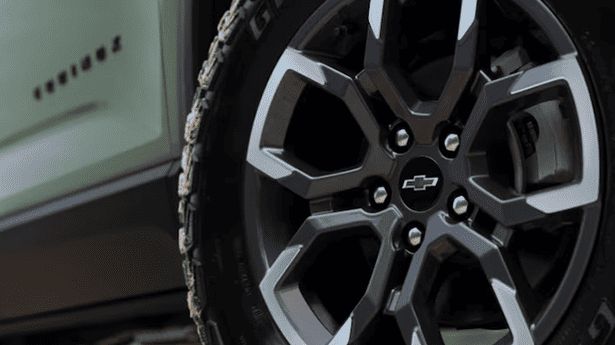
Proper wheel alignment keeps your tires meeting the pavement at exact factory angles, preventing uneven tire scrub, vehicle drifting, and premature suspension wear caused by rough pavement, gravel, and unpaved shoulders. Maintaining correct alignment preserves straight-line tracking, maximizes tire tread life, and ensures predictable handling across uneven rural surfaces.
Driving on county roads exposes vehicle steering and suspension components to continuous physical stress. When a vehicle's camber, caster, and toe settings drift outside factory specifications, the tire tread no longer sits flat against the road surface. This misalignment reduces the active contact patch between rubber and asphalt, compromising traction during cornering and sudden braking maneuvers.
Maintaining precise wheel angles is critical for protecting expensive tread compound from aggressive friction damage. Misaligned wheels drag across the pavement at a subtle angle rather than rolling freely, generating heat and rapidly grinding down shoulder rubber. Over time, uncorrected alignment issues transfer abnormal mechanical forces into tie rods, ball joints, and control arm bushings, leading to premature component failure.
Drivers looking to inspect their vehicle tracking can visit our Wooster service center location or give our team a quick call at (330) 439-4949 for professional suspension diagnostics.
How do potholes and gravel shoulders on rural Wayne County roads affect suspension angles?
Impact forces from deep potholes and soft gravel shoulders physically force control arms, tie rods, and strut mounts out of their factory settings, altering critical wheel alignment angles. Even a single sharp hit or repeated vibration from washboard gravel roads causes steering components to drift from specification.
Rolling farmland and paved county routes around Wooster feature frequent spring freeze-thaw cycles that expand small pavement cracks into deep potholes. When a tire drops into a pothole at speed, extreme vertical and kinetic forces compress the suspension bump stops instantly. This sudden displacement can bend steering tie rods, shift strut tower alignment cams, or force lower control arm bolts out of position, altering both camber and toe settings in a fraction of a second.
Unpaved gravel shoulders and uneven road edges create distinct lateral forces. Dropping a tire off the edge of paved asphalt forces the inner wheel lip and lower suspension geometry to absorb direct horizontal impacts when climbing back onto the road surface. Continuous driving on washboard gravel generates rapid micro-vibrations that loosen adjusting sleeve hardware and accelerate wear on rubber control arm bushings.
- Vertical impacts from deep potholes force strut mounts and steering knuckles out of specification.
- Lateral stress from unpaved shoulder drop-offs bends tie rod assemblies and shifts subframe alignments.
- Constant vibration from gravel surfaces compresses rubber suspension bushings prematurely.
When suspension components show signs of physical wear or bending from heavy road impacts, replacing damaged linkages by ordering OEM suspension parts ensures factory alignment settings can be restored correctly.
Why does my steering wheel pull to one side, and what immediate signs suggest pothole damage?
A vehicle pulls to one side when mismatched camber or toe angles create unequal rolling resistance across the front axle, forcing the tire with greater drag to dictate direction. Immediate signs of pothole-induced alignment damage include an off-center steering wheel during straight-line driving, sudden steering drift, or new vibrations through the wheel rim.
Distinguishing between normal road crown pull and mechanical misalignment requires observing steering behavior on a flat road surface. Civil engineers design roads with a subtle slope toward the outer shoulder to facilitate water drainage, which can cause a minor drift toward the right. However, if your vehicle actively pulls toward the centerline or shoulder on a level road, mechanical steering drift is present.
Drivers bringing in trucks after spring pothole season often ask whether a crooked steering wheel automatically means severe suspension damage or just a slipped tie rod setting. An off-center steering wheel usually indicates that impact forces altered the toe setting on one side, misaligning the steering rack center point from the road wheels.
| Symptom Observed | Likely Cause | Recommended Action |
|---|---|---|
| Steering wheel sitting rotated 10 to 15 degrees | Altered toe angle from tie rod impact | Professional wheel alignment adjustment |
| Strong pull toward one side on flat roads | Unequal camber or bent control arm | Suspension component and alignment inspection |
| Steering wheel vibration at highway speeds | Unbalanced tire rim or bent wheel structure | Wheel balancing and rim runout check |
| Creaking or clunking noises over bumps | Worn ball joint, tie rod end, or strut mount | Pre-alignment suspension component replacement |
Impacts severe enough to disrupt steering center can also damage internal tire belting or bend rim flanges. Inspecting sidewalls for bulges or cracks immediately after a hard pothole hit prevents sudden air loss on rural routes.
How does poor wheel alignment increase tire wear and fuel consumption?
Misaligned wheels force tires to drag sideways against the road surface rather than rolling cleanly, creating excessive friction that shaves thousands of miles off tread life and increases engine workload. Misalignment as minor as half a degree can significantly reduce fuel economy by forcing the powertrain to overcome constant rolling resistance.
Tire scrubbing occurs when toe-in or toe-out settings diverge from manufacturer specs. Instead of pointing straight ahead, misaligned tires scrub diagonally against asphalt like a pencil eraser pushed across paper. This friction generates abnormal heat and produces feathering across the tread, where individual tread blocks feel smooth when wiped in one direction but sharp when wiped in the reverse direction.
Incorrect Toe Angle (Tires pointing inward/outward)
│
▼
Continuous Lateral Drag (Tire scrubbing against road)
│
▼
Increased Rolling Resistance ──► Higher Fuel Consumption
│
▼
Rapid Shoulder Tread Wear ──► Premature Tire Replacement
Excessive negative or positive camber concentrates vehicle weight onto a narrow band on either the inner or outer tread shoulder. Carrying full vehicle loads over uneven rural routes accelerates inner shoulder wear, compromising tire carcass integrity long before the center tread wears down.
Engine workload increases proportionally with rolling drag. When front tires fight against each other due to improper alignment angles, the engine consumes additional fuel simply to maintain highway speeds. To protect your tires and optimize fuel efficiency, you can schedule an alignment check online with our certified service team.
How often should trucks, SUVs, and cars driven on county roads get checked?
Vehicles frequently driven on rural routes and county highways should receive a professional wheel alignment check at least once a year or every 7,500 to 10,000 miles, ideally coinciding with routine tire rotations. Heavier pickup trucks, commercial vehicles, and SUVs carrying heavy loads or traversing unpaved dirt roads require more frequent inspections to prevent accelerated tire destruction.
Routine maintenance schedules for GM vehicles include a comprehensive GM Multi-Point Vehicle Inspection at every standard service interval, roughly every 7,500 miles. During this visit, certified technicians inspect tire tread depth profiles across all four tires and check steering linkages for play caused by rough road conditions.
Agricultural gravel roads and open farm routes near Honeytown expose pickup trucks and SUVs to constant surface chatter, accelerating steering joint wear. Heavy-duty trucks carrying cargo experience higher suspension articulation, which increases mechanical strain on control arm bushings and steering ball joints compared to lighter passenger sedans.
- Perform alignment checks annually or every 7,500 to 10,000 miles for standard commuters.
- Schedule checks every 5,000 to 6,000 miles for trucks frequently hauling heavy loads on gravel.
- Inspect alignment immediately following hard pothole impacts or curb contacts.
- Always perform a full four-wheel alignment when installing a new set of tires.
Checking alignment before setting out on long highway road trips ensures fuel efficiency and straight tracking, while a post-winter inspection catches suspension drift caused by seasonal pothole impacts.
What technical parameters are adjusted, and what risks come with DIY alignments?
Professional wheel alignment precisely measures and adjusts camber, caster, and toe using computerized optical sensors and alignment racks calibrated to exact manufacturer specifications. Attempting DIY alignment adjustments at home with tape measures or string lines risks leaving cross-vehicle angles mismatched, which leads to erratic highway handling, severe tire scrubbing, and compromised stability control systems.
Understanding the primary suspension angles helps clarify how alignment settings influence vehicle dynamics on the road:
- Camber: The inward or outward tilt of the tire when viewed directly from the front of the vehicle. Incorrect camber causes rapid edge wear on the inner or outer shoulder and increases strain on wheel bearings.
- Caster: The forward or backward tilt of the steering axis when viewed from the side. Proper caster provides high-speed straight-line stability and allows the steering wheel to return to center naturally after completing a turn.
- Toe: The inward or outward direction of the tires when viewed from directly above the vehicle. Toe is the most sensitive parameter; improper toe settings cause immediate tire scrubbing and rapid tread destruction.
Home alignment methods using tape measures or string levels only estimate basic front-end toe and completely fail to measure thrust angle or rear wheel position. Modern vehicles feature electronic stability control systems, such as StabiliTrak, which rely on digital steering angle sensors. Adjusting steering tie rods manually without calibrating the digital steering position sensor creates a mismatch between physical wheel direction and computer inputs, potentially triggering unwanted traction control intervention during highway driving.
Common Questions About Wheel Alignment
Q: Is wheel alignment the same as tire balancing?
No, wheel alignment and tire balancing address completely different mechanical issues. Balancing distributes weight evenly around the tire and wheel assembly to eliminate high-speed bounce or vibration. Alignment adjusts steering and suspension angles so tires roll straight and contact the pavement flat. If your steering wheel vibrates at highway speeds, balancing is usually required, whereas vehicle drifting or shoulder tread wear indicates an alignment issue.
Q: Will a bad wheel alignment cause my vehicle to shake or vibrate?
Severe misalignment can occasionally cause a subtle vehicle pull or tracking drift, but noticeable steering wheel shaking at specific speeds usually stems from unbalanced tires, bent wheel rims, or worn suspension bushings. However, hitting a severe pothole hard enough to knock alignment out of specification can also bend a wheel rim or damage tire belting simultaneously, creating both alignment drift and wheel vibration during the same incident.
Q: Do I need a wheel alignment every time I get new tires installed?
Getting an alignment check when installing new tires is highly recommended to protect your financial investment in fresh tread. Installing brand-new tires on a vehicle with misaligned suspension angles can ruin the new tire shoulders within a few thousand miles. Performing an alignment during tire installation ensures your new rubber begins its service life rolling straight and wearing evenly across the entire tread width.
Q: How long does a professional wheel alignment service usually take?
A standard four-wheel alignment typically takes between 45 to 60 minutes when performed by certified technicians using computerized alignment equipment. The process includes mounting precision wheel sensors, measuring initial angles, adjusting tie rods and control arm cams to factory tolerances, and conducting a post-adjustment road test. If rusted hardware or damaged suspension parts are present, additional service time may be needed to complete repairs safely.
Q: Can worn shocks or struts prevent an alignment from holding proper angles?
Worn suspension components like leaking shocks, sagging springs, or loose ball joints directly affect vehicle ride height and wheel geometry. Because alignment angles are measured while the vehicle sits at its rest height, degraded suspension parts cause dynamic alignment shifts while driving over bumps. Certified technicians always inspect control arm bushings, tie rod ends, and struts before performing adjustments to ensure the vehicle can hold alignment settings.
*Prices and MSRP referenced in this article are estimates for informational purposes only and do not constitute an offer to sell. See dealer for complete details. *Fuel economy estimates shown may differ from official EPA ratings and should not be relied upon as a guarantee of actual vehicle performance.